MENU

WHAT WE WANT
REAL DATA
+ REAL SCIENCE
+ REAL ANSWERS
= CALM OUTCOMES
OUR MESSAGE TO GOVERNMENT –
MAKE COASTAL PLANNING FAIR, EVIDENCE-BASED
AND TRANSPARENT.
Click HERE to read our latest submission to Government’s call for
feedback on illustrative National Policy Direction (NPD)
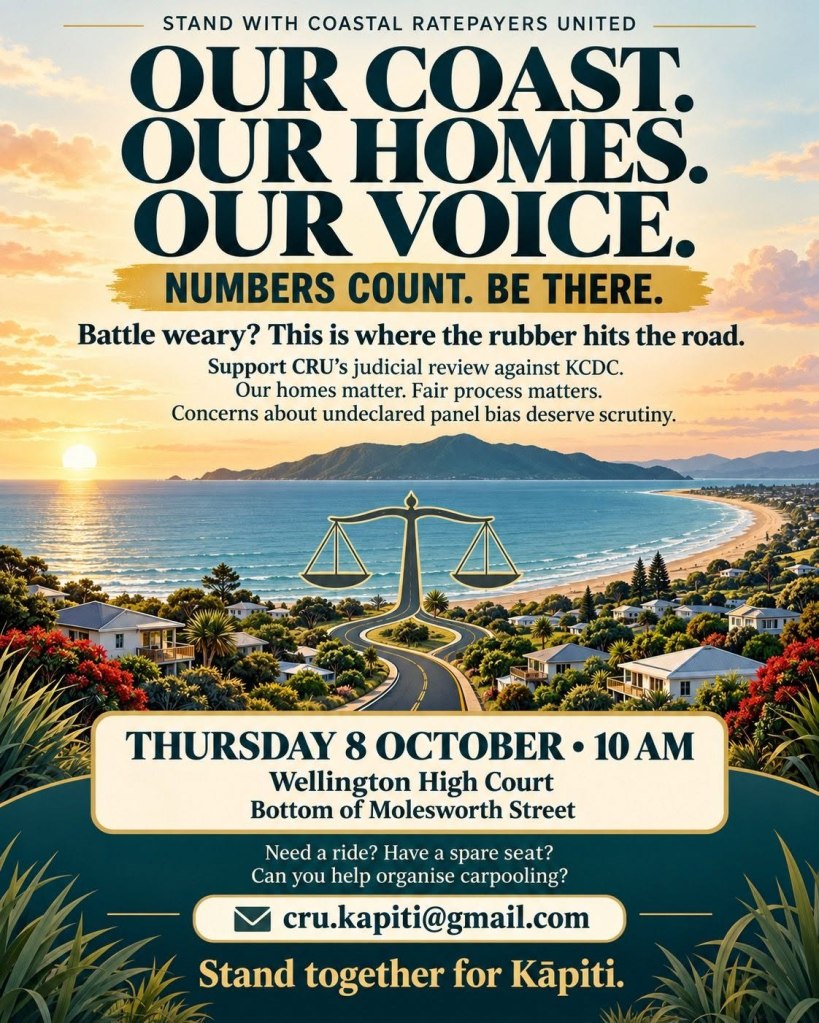
THIS THURSDAY 8TH OCTOBER
WE ARE STANDING IN SUPPORT OF
COASTAL RATEPAYERS UNITED – WILL YOU?
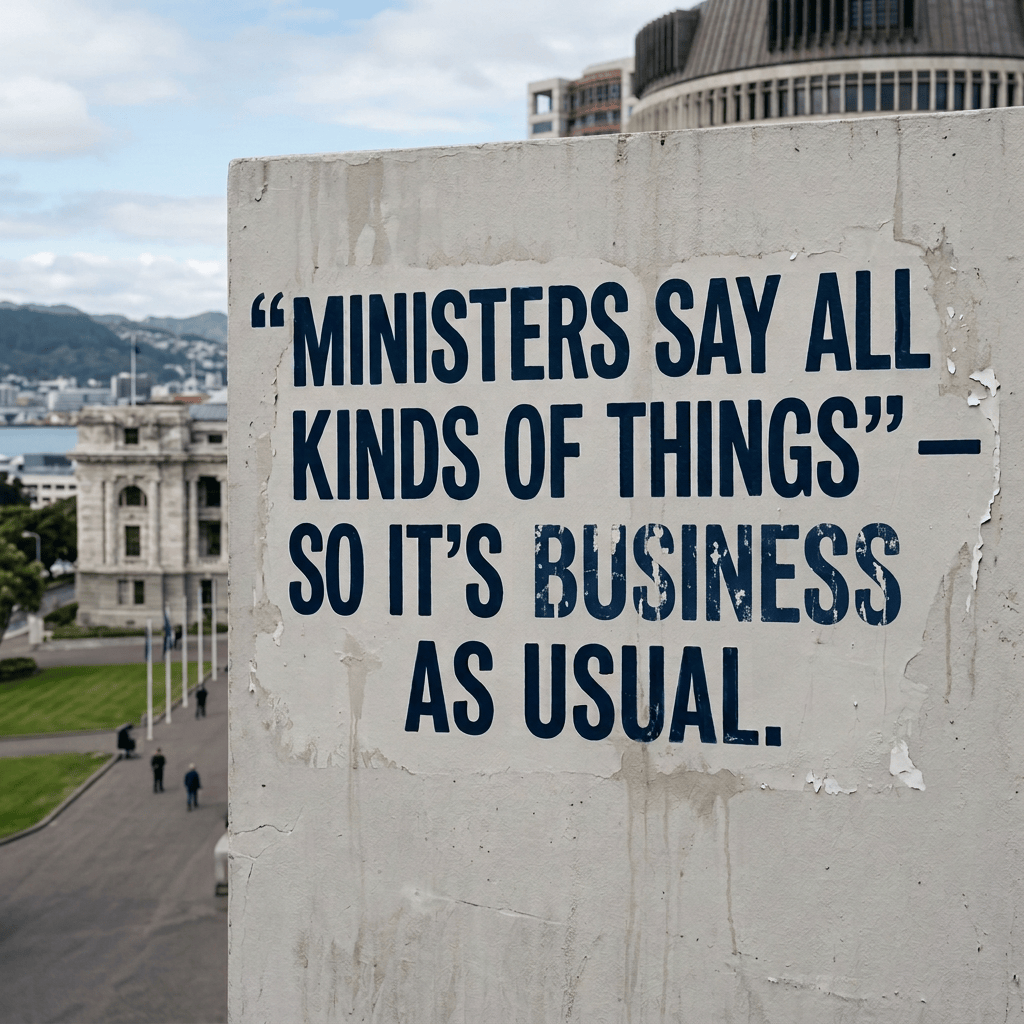
On Tuesday, Kāpiti CALM questioned Council about its continued use of the extreme-end SSP5-8.5 (RCP8.5) climate scenario in coastal hazard planning.
The meeting was prompted by recent advice from Climate Change Minister Simon Watts.
But the outcome?
Business as usual.
Council intends to continue using the extreme-end modelling.
READ MORE HERE
WE’VE GONE INTERNATIONAL !!
Following on from the interview with Roger Pielke Jr – here is his Substack which is so worth a read – lots of technical stuff in there but he specifically talks about New Zealand and Kapiti
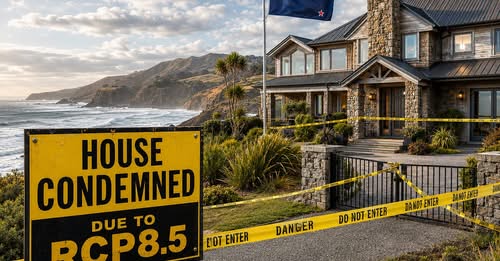
Since Kapiti CALM was formed, we’ve consistently challenged the use of extreme climate scenarios such as SSP5-8.5 (formerly RCP8.5) in local planning, particularly the work of the Coastal Advisory Panel.
At the time we were told these scenarios represented the “best available science”. Yet we argued they were being misused for local planning because they were based on highly unlikely assumptions and exaggerated future emissions.
Now, even the lead developer of these scenarios for the IPCC has confirmed they should be regarded as “implausible”.
We recently wrote to the Minister of Climate Change/Local Government, as well as Kapiti Coast District Council, highlighting the latest updates to the IPCC’s position.
The Minister appears to have listened and has issued some instructions to Councils (you can read it HERE) . The real question now is:
Will our Council?
Will it continue relying on outdated, extreme assumptions that can affect property values, insurance, planning rules and public confidence? Or will it update its approach to reflect the latest science?
This is a pivotal moment.
Now is the time to contact your Councillors and ask them:
Will you commit to using the latest science and stop relying on implausible worst-case climate scenarios for local planning?
Knowledge is power, and we strongly encourage everyone to watch these outstanding interviews:
UNLIKELY SCIENCE – Part 1
DETLEF VAN VUUREN | Climate Researcher
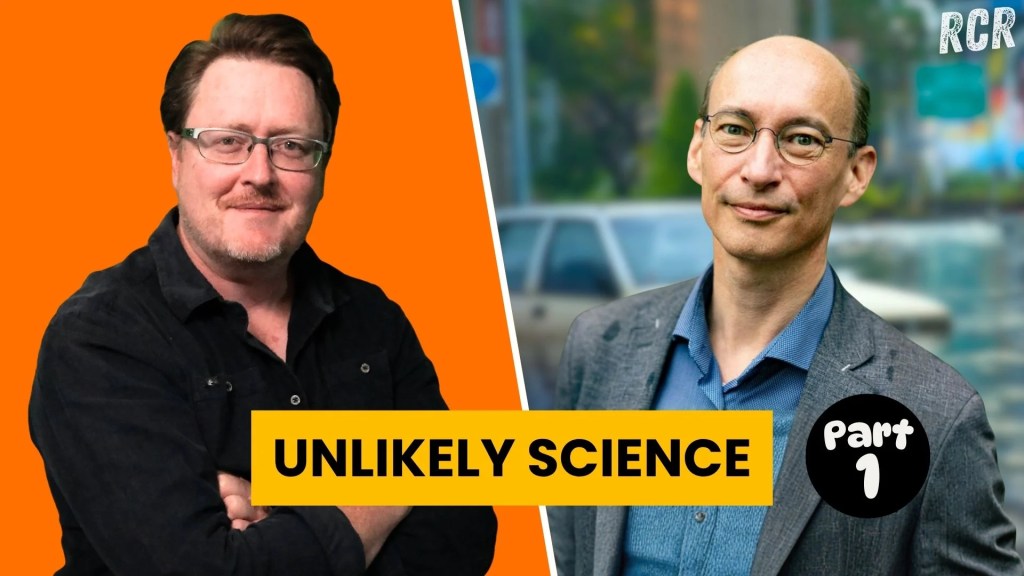
On April 7 2026, a new global scientific paper was released that dropped a bombshell on New Zealand’s climate change adaptation planning industry. According to that paper – which will inform the IPCC’s future guidance on climate change planning – the old extreme high-end scenarios have been used both by local councils and our government are now implausible. And with it, the hazards generated by those scenarios that have been placed on Kiwis homes and properties the length of the country are now in doubt, calling into question the raised insurance prices and insurance withdrawal caused by those alarmist reports.
In this interview, RCR’s Alistair Harding speaks with the man at the centre of the storm – Dutch climate researcher, Detlef van Vuuren – who is the lead developer of the scenarios that inform the IPCC, and also the lead author on the paper that now calls them ‘implausible’.
UNLIKELY SCIENCE – Part 2
ROGER PIELKE JR | Climate Researcher |
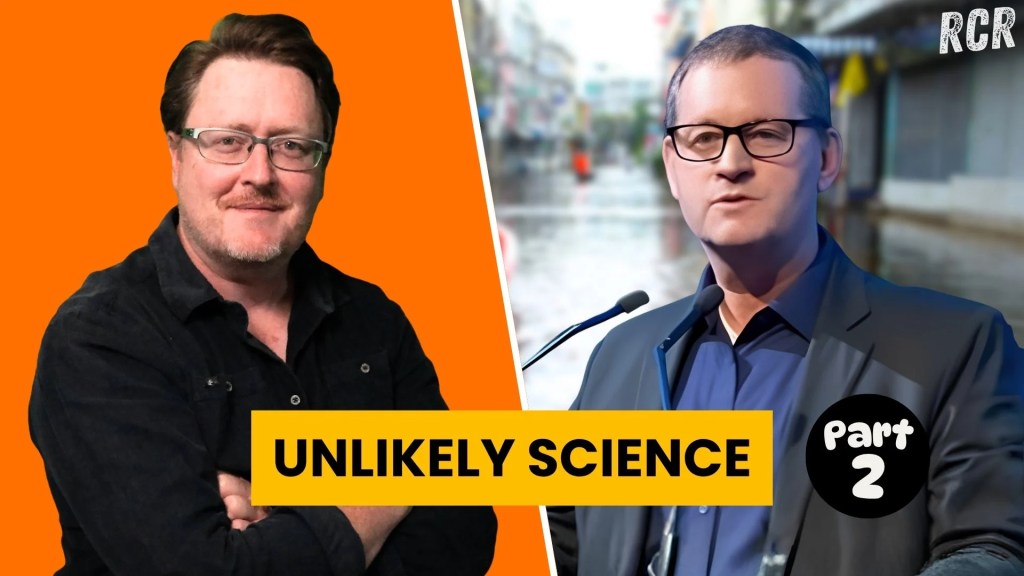
When recently the high-end extreme climate scenarios that drive climate policy were rebranded as ‘implausible’, it was left up to Colorado climate researcher Roger Pielke Jr to break the news to the world. It was a backdown on the extreme climate predictions that impacted the lives of billions across the world, and in New Zealand it has been no different. Those scenarios have caused councils across New Zealand to place hazard warnings on countless properties due to expected sea level rises and flooding. And now those warnings must be called into doubt, but not before they have caused historic rises in insurance premiums and the devaluing of property across the country.
In this interview, RCR’s Alistair Harding speaks to Roger Pielke Jr about why he’s been one of the few people questioning the high-end scenarios, and how perhaps we can do the work of climate adaptation better.
Request for Review and Withdrawal of Policies Based on SSP5-8.5 / RCP8.5 Climate Scenarios
We wrote to Council and Government with this request and encourage people to write their own letters, especially those who have been affected by flood maps, s72, or are in the potential 2km inland coastal hazard zone
You can read our letters HERE
This is an absolute MUST watch/listen and share share share
Maree Buscke and Alistair Harding revisit the themes of Managed Out, examining how councils across New Zealand have relied on high-emission climate models now described by their own creators as “implausible.” They discuss the flow-on effects for homeowners, LIM reports, insurance access, and managed retreat policies, while highlighting community resistance efforts in places such as Kāpiti, Amberley Beach, Selwyn Huts, and South Dunedin.
WHY KCDC MUST RE-EVALUATE ITS ENTIRE CLIMATE STRATEGY
Council are currently calling for submissions on their draft Emissions Reduction plan 2026-30 and you only have until midnight Sunday 24th May to have your say!
Our full submission and summary are available HERE to assist anyone wanting to make their own submission.
A court decision that could change everything for property owners — including in Kapiti
A recent case highlighted by this article isn’t just about one property.
It’s being described as:
 “a significant decision… with implications well beyond this property”
Affecting councils, Building Consent Authorities, and even Ministry of Business, Innovation and Employment
So what’s really at stake? – read more HERE
Climate Models Under the Microscope
What if the models driving climate policy are built on flawed assumptions? This article – A Climate Reality Check : Rethinking Carbon Dioxide and Net Zero – highlights emerging evidence that key inputs—like how much CO₂ plants actually absorb—may have been significantly underestimated, calling into question the reliability of long-standing climate projections.
When models rely on uncertain data, they can produce exaggerated or extreme scenarios that shape public policy and fuel unnecessary alarm. The result? Decisions with real-world consequences, based on projections that may not reflect reality – sound familiar?
It’s a timely reminder that climate science is still evolving—and that policy should be grounded in measured evidence, not worst-case modelling.
Read the article HERE
LATEST NEWS…………..
Read more HERE
** BREAKING NEWS **
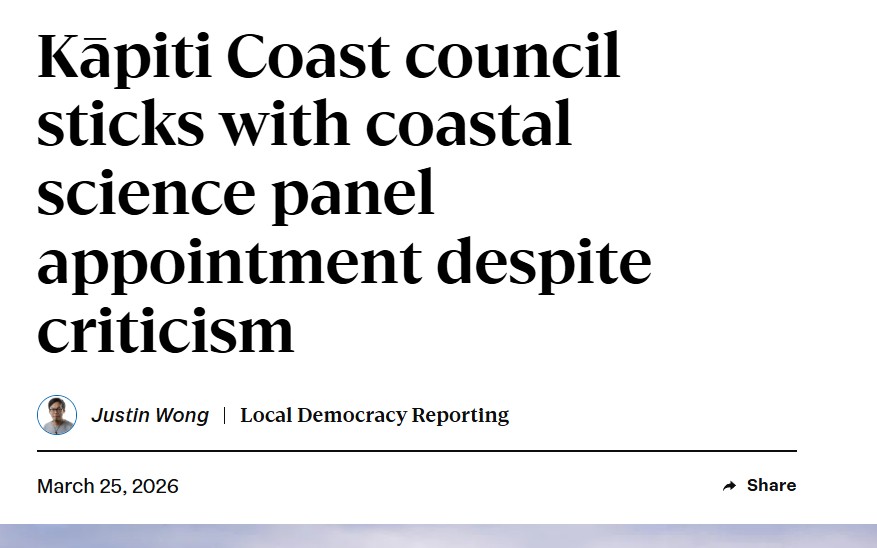
KCDC are threatening Coastal Ratepayers United (CRU) with legal action after they questioned the “independence” of the science panel!
Read more HERE
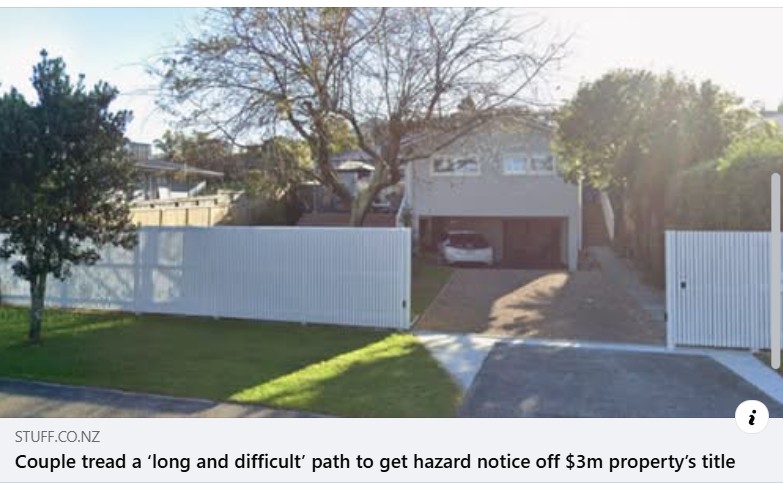
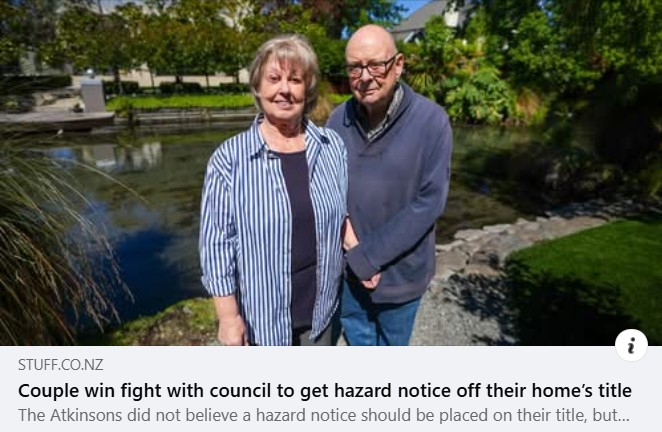
Hazard Notice Overturned – A Precedent for Property Owners
A Christchurch couple has successfully challenged their council and had a hazard notice removed from their property title after an independent review found the risk wasn’t justified.
The ruling shows councils must have clear evidence before placing hazard notices on properties.
Important precedent: homeowners can challenge these decisions – and win.
Read the article here …
“MANAGED OUT” DOCUMENTARY – Featuring Kapiti CALM and the Kapiti Coast
In this RCR InFocus full documentary, director Alistair Harding explores New Zealand at a pivotal moment in its response to climate change. The concept of managed retreat, which involves relocating communities from “high-risk” areas, is sparking fierce national debate. While the government and councils such as those in Kāpiti and Westport point to rising sea levels and extreme weather as justification for action, critics argue that the science underpinning these decisions is based on implausible climate models and worst-case projections. Residents from affected regions, including Matatā, West Coast, and the Kāpiti Coast, voice deep mistrust, citing flawed flood management, a lack of genuine community engagement, and growing fears around property devaluation and the withdrawal of insurance. The proposed Climate Adaptation Act, which would allow for compulsory land acquisition and the withdrawal of essential services, has further heightened concerns over the erosion of property rights with many viewing it as a top-down, politically-driven land grab built on unproven disaster scenarios.
If you missed the New Zealand screenings you can watch it online – and share share share