
Independent Peer Review of the Kapiti Flood Hazard Management, June 2025
Dr Willem de Lange’s peer review has just been released – it seems like more of the same with concerns around modelling, especially those out into the future.
Coastal Ratepayers United state the following and have requested a meeting with KCDC and AWA to discuss the findings…..
“The report, authored by Dr Willem de Lange, raises serious concerns about the modelling used by AWA and its application to identify individual properties affected by the flood modelling.
Dr de Lange’s findings are clear:
- There is no assessment of the actual likelihood of the predicted flood events occurring, which is necessary to define the flood risk.
- There is no evidence that the models used were validated.
- Apart from the rainfall depth and sea level rise, the AWA report assumes that all other factors affecting flood hazard would remain constant for over a hundred years.
- The methodology used in the report did not include any risk assessment.
- There is no information to assess the probability of the scenarios used occurring, particularly the extreme scenario of RCP 8.5 and RCP 8.5H+, which is recognised as implausible.”
CALM address to Council
29 May 2025
Flood map updates were on the agenda at Council last week as part of the Annual Plan so we took the opportunity to address council with some concerns.
We believed it was important to do this on behalf of many residents who have contacted us with concerns around how the flood maps may impact them. We have had many reports already about huge increases in insurance and now some insurance companies not willing to insure on the coast, or parts of the coast, at all!
Unfortunately the Mayor took exception to us bringing this up and struggled to see how it was relevant to the Annual Plan! – you can read more about what transpired on our posts page.
Below is what our spokesperson, Tanya, was trying to convey …
We had quite a day on Sunday!
(May 2025)
Last Sunday was a big one at the Ramaroa Centre! What started as a simple get-together to thank our amazing street teams—our “foot soldiers” who’ve delivered tens of thousands of CALM flyers over the past couple of years—turned into something much more.
Originally, the plan was to relax, reconnect, and celebrate the efforts of more than 40 dedicated volunteers from across the region. Just a chance to chat, catch up, and acknowledge the work that’s gone into spreading the CALM message.
But in true CALM style, things grew a little bigger!
When we heard that Alistair Harding—the producer of the powerful Managed Out documentary on managed retreat—was doing a road trip, we knew we had to bring his film to a wider local audience. Afterall Kapiti features heavily in this doco and although CALM had an early screening at Southwards, this was too good an opportunity to pass up.
So after some heartfelt speeches, a delicious BBQ, and some brilliant live music from local band 4up, we opened the doors for the screening.
The response was overwhelming. The room buzzed with conversation—ideas, energy, and a shared sense of purpose. People are ready to take action, raise awareness, and push for meaningful change in how our Council approaches these critical issues.
You can view a recording of the speeches here …..
Coastal Ratepayers United Press Release on the withdrawal of their Judicial Review (May 2025)
Latest Kapiti Sea Level Predictions
Kapiti residents are now able to view the most up-to-date research on coastal erosion predictions on their beach.
The research identifies about 40 homes in danger of sea rise, compared to thousands of homes identified in previous reports.
The Kapiti Coast District Council has uploaded the Waikato University De Lange research and accompanying maps onto its website, which recognise the unique and dynamic environment of the various beaches along the Kapiti Coast.
Coastal Ratepayers United (CRU) filed a judicial review to urge the council to accept De Lange’s updated coastal predictions and make the notification available on LIMs.
CRU stated that previous reports were alarmist and failed to recognise the significant variations in soil stratigraphy and vertical beach movement along the Kapiti coast.
That judicial review has been withdrawn following the council’s publication of the latest research: https://www.kapiticoast.govt.nz/…/coastal-hazard-risk….
The De Lange report is now included on the LIMs, assigning it the same weighting as the Council’s information.
CRU chair Salima Padamsey says climate change research is being updated constantly, with new and different predictions. “It’s hard for councils to keep up with new research, but it is crucial that they do so when it affects their people’s lives,” she says. “Climate change is a real issue facing almost everyone on our coast, since most live within a few kilometres of the shoreline.”
She states that one example of outdated reports is predictions relying on formulas like the Bruun Rule, which was developed more than 60 years ago. “Another problem is reports that predict sea rise based on global averages. Many highly reputable climate experts say sea rise and precipitation changes will affect different areas differently, requiring local knowledge and assessment,” she adds.
Dr. de Lange’s report urged the KCDC to establish monitoring stations along various beaches to accurately predict trends.
Maps of each beach are available under “community-commissioned information: https://www.kapiticoast.govt.nz/…/coastal-hazard-risk…
….ends
SALIMA PADAMSEY – Coastal Ratepayers United : Fighting for Fairness – The Long Battle for Coastal Communities
Another great and enlightening interview with Salima
Jaspreet Boparai and Don Nicholson catch up with Salima Padamsey from Coastal Ratepayers United (CRU) on their decade-long fight for fair coastal hazard planning on the Kāpiti Coast. CRU challenged the Council’s Jacobs report, which predicted widespread risk, by commissioning an alternative report from Professor Willem de Lange showing far less threat. After advice to pursue a judicial review, CRU took legal action. A settlement was reached, with the Council agreeing to give equal weight to both reports on official land information documents (LIMs) — though full implementation is still pending. Salima stresses the damage caused by basing policies on implausible science and calls for transparency and community involvement. She invites other coastal communities facing similar challenges to unite and push for decision-making based on credible, likely impacts, as required by national policy.
LISTEN HERE…..
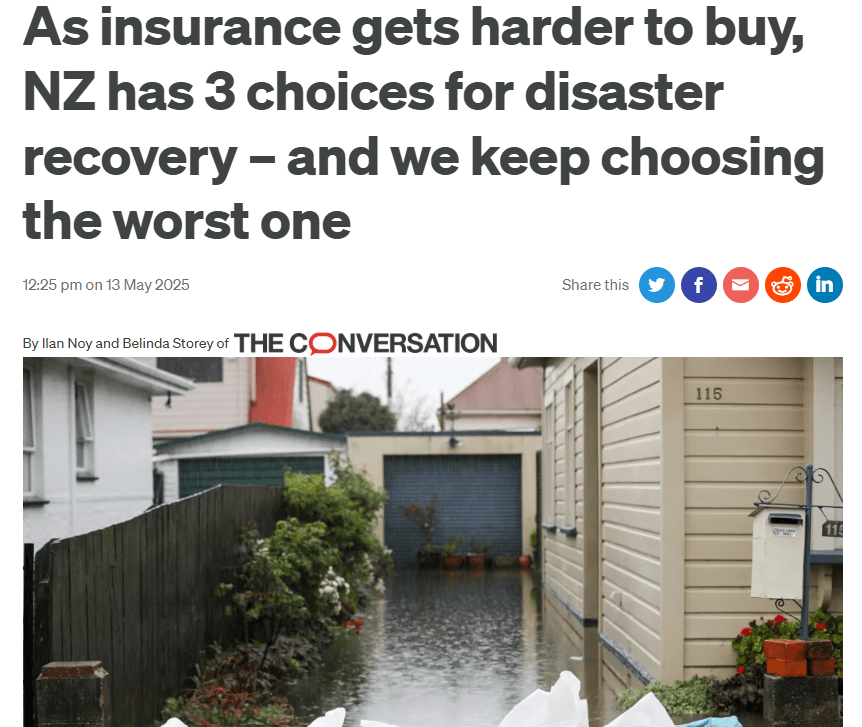
A Must-Read and Share: Why Extreme LIM Hazards Could Threaten Your Home
We’re entering uncharted territory in insurance and banking—where extreme hazard labels on LIMs could put your home at risk. Learn why it’s time to push back
CALM EVENT 26th March Update
It was a BIG night – we had a great turnout and have received some very encouraging feedback on the evening.
We will update more when we catch our breath but in the meantime for those who were unable to attend you can view the recording of the speeches below:
C.A.L.M. Flyer & Event – 7pm Wednesday 26th March, Southwards, Paraparaumu

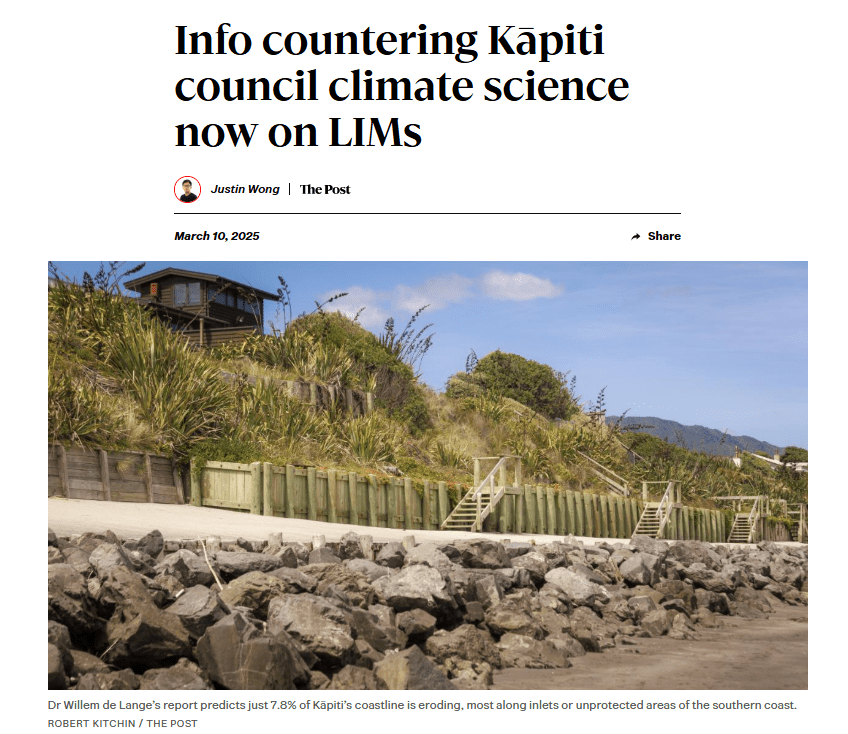
Info countering Kāpiti council climate science now on LIMs –
NZ Post Article 10.3.25
Jan/Feb 2025 Update – KCDC Chief Executive Hot Mic moment, Cr Cooper’s motion re having the Waikato (De de Lange) report on LIM’s and Coastal Ratepayers United (CRU) taking Council to court again!!!!
Council meeting 30th January
We attended the Council meeting of the 30th January as we had concerns that the Council were not honouring their promise to “Request that Council staff prioritise progressing RMA Schedule 1 Coastal Plan Change”.
We expressed our concerns and Salima Padamsey spoke for CRU. A few days later there was a facebook post from a member of the public who was listening to the recording of the meeting. Unfortunately for the CE he was caught on the microphone of the Mayor making the comment “Man, they drink from the Kool-Aid when Salima speaks,”
You can read articles in relation to this here…
https://www.thepost.co.nz/nz-news/360567972/kapiti-council-boss-hot-mic-comment-ratepayer-group-chair
https://localaotearoa.substack.com/p/kapiti-council-ce-finally-apologises
Cr Cooper’s motion
Early February Cr Glen Cooper advised of a motion he was bringing to Council’s Strategy, Operations & Finance Committee meeting on Thursday 13th Feb.
From Cr Cooper’s facebook video and his wording of “directing the council to put the report on the LIM’s” we would that would be the wording of the motion. But, after attending the council meeting on the 13th we were told that the CE had advised Cr Cooper that due to Standing Orders the wording and process would be

A couple of notable points from this meeting are:
* Councillors did not appear to know what is currently written on our LIM’s !!!! (we found this quite astonishing given the reason for the motion and the amount of interaction CALM, CRU and the community has had with the Council over this issue for quite a long period of time)
* Cr Wilson stated he was “disappointed that CRU had jumped the gun with taking this to Court” – another astonishing statement given the amount of time that has passed since Dr de Lange’s report was presented to Council and the correspondence that has followed since. We wonder how long Cr Wilson expected us to wait? another week, another month, another 6 months ??? Council does not have a good track record in this regard.
Coastal Ratepayer’s United (CRU) taking KCDC to Court
CRU had already waited too long and there is only so much stalling and deferring that could be considered appropriate. So back to court they go again.
You can read all about this here….
https://www.thepost.co.nz/nz-news/360576564/ratepayer-group-takes-kapiti-council-court-again?
https://www.rnz.co.nz/news/national/541808/battle-over-kapiti-coastline-heads-to-wellington-high-court?
https://wellington.live/the-battle-for-kapitis-coastline-residents-vs-council-in-high-court-showdown
December Update and Christmas wishes

Dear Supporters
Thank you all for your support throughout 2024 and wish you and yours a restful and happy Christmas/Holiday. 
Apologies for the late update but following our urgent callout regarding the CAP Report being back on the table at Council on the 5th of December, we would like to express our gratitude to all those who were able to attend the meeting and watch online. The public gallery was once again full, and although there were other interested parties present to speak or hear about the Economic Development Kotahainga Board, we believe most were there to voice concerns about the future use of the CAP report.
There were about six speakers concerning the CAP report, including Tanya on behalf of CALM and Salima on behalf of CRU (see links below). Many comments were made regarding the lack of mention of Dr. de Lange’s report.
There was some discussion with the Council about “putting the cart before the horse” by proceeding with work arising from the CAP Report on Coastal Adaptation when they had still not fulfilled their statutory requirements to the New Zealand Coastal Policy Statement.
What emerged from this meeting, following public speaking and Council discussion, was that Councillor Glen Cooper put forward a motion to include two new recommendations:
G. Request that Council staff prioritise progressing RMA Schedule 1 Coastal Plan Change
H. Note that Council staff will be back in January to seek approval for commencing the Coastal Plan Change
This means the Council will prioritise the Coastal Plan Change (hazard/risk assessment that complies with their statutory requirements) before commencing any work on the CAP report recommendations.
However, there are still serious concerns that the Council will not consider Dr de Lange’s report, despite their (and staff’s) assurances that they will review all available information!
Two options for proceeding with the proposed work programme were also included in the paper for discussion at this meeting. Option A was selected.
Coastal Ratepayers United has raised several significant concerns, and we will keep you updated as new information becomes available.
We recommend watching the recording of the Council meeting so you can hear the public speakers and the discussion for yourself; you can find it here:
(Public speakers started at 20 min 30 sec)
Part 1: https://www.youtube.com/watch?v=KLqB4JfK8dE
Part 2: https://www.youtube.com/watch?v=DLmHtZscH6A
We will be taking a break during the holiday period to recharge our batteries. We have a feeling that there will be much more work to do in the new year, and we will need all our might and determination, as well as yours, to keep pushing forward.
Thanks again for all your support
Dr de Lange’s presentation to CRU AGM
Dr de Lange’s interview following the CRU AGM – huge implications (in a good way) not only for Kapiti but other coastal areas around NZ

Salima from Coastal Ratepayers United with more on the Coastal Hazards Risk Assessment Report – November 2024
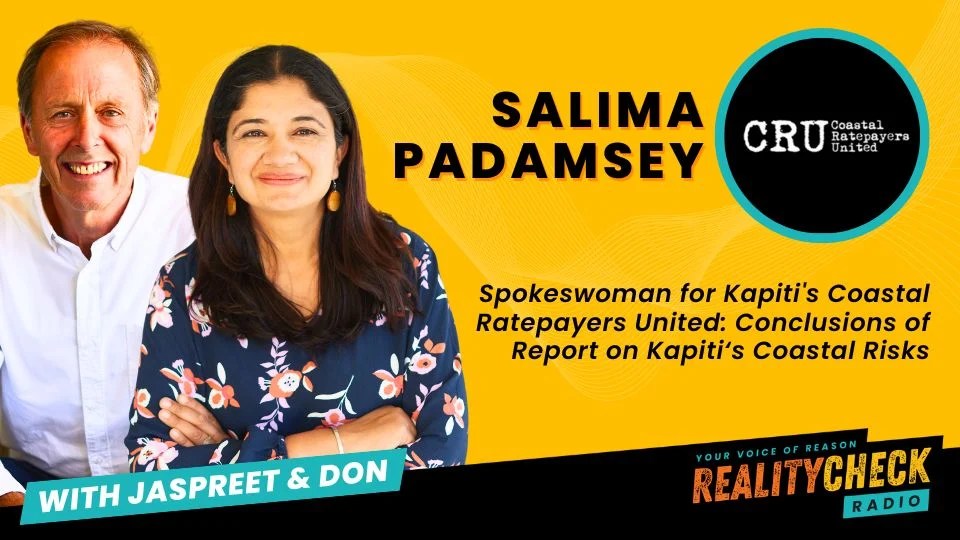
Ratepayer group report fires back at Kāpiti Council coastal hazard modelling
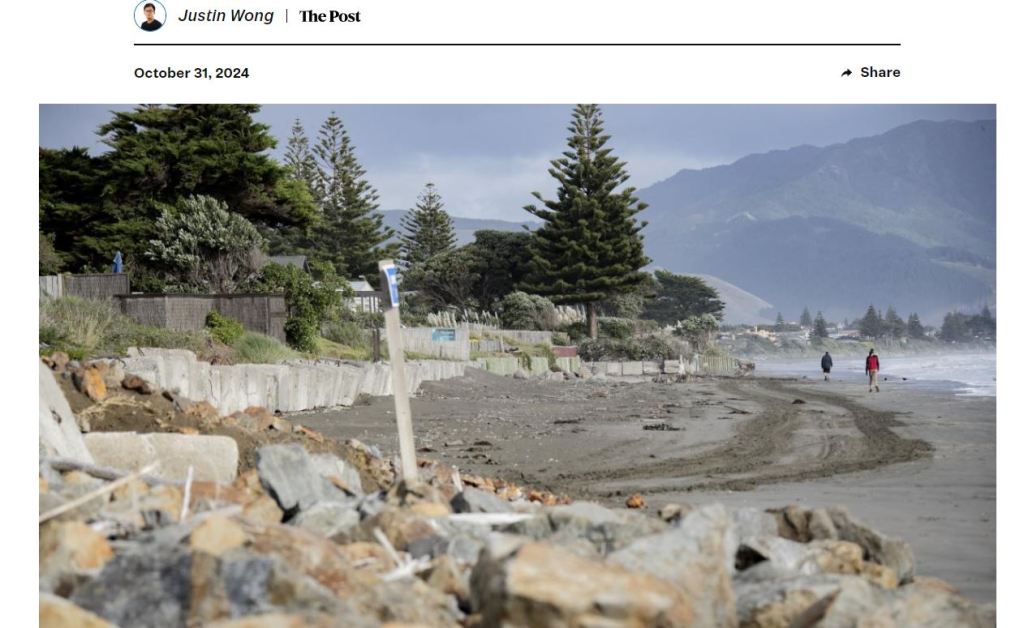
** BREAKING NEWS **
Independant Coastal Hazards Risk Assessment report for the Kapiti Coast has been released !!!
Coastal Ratepayers United (CRU) has just released the independant commissioned report. We are very proud to have worked with and supported CRU and believe that this report is a gamechanger – this is what they have to say………………
“This marks a significant milestone for CRU, Kapiti, and all coastal communities in New Zealand.
You can find the terms of reference, the report, accompanying maps and the peer review here: Coastal Hazards Risk Assessment
The report analyses climate change projections and their implications for coastal hazards in New Zealand, with a particular focus on the Kāpiti Coast District. It emphasises the impact of climate oscillations on future climate conditions and underscores the importance of adaptive management strategies and active community engagement in coastal hazard management.
Some of the findings are:
- Jacobs estimates that between 7,000 and 10,000 properties are at risk; however, de Lange identifies fewer than 500 at-risk properties, predominantly located in the district’s southern end, which are already protected by sea walls.
- Most homes along the Kapiti Coast are projected to remain safe from sea level rise for the next 20 years, as most of the coastline is accreting and is likely to continue this trend for many decades.
- It is recommended that the Council establish sophisticated monitoring stations along the coastline for regular assessments, as this is the most accurate method of predicting changes in shoreline dynamics.
- The Jacobs report lacks robustness and relies on implausible extreme events, primarily due to outdated modelling techniques and improperly applied theories.
I would like to sincerely thank all our members who have generously contributed to this report. Additionally, I would like to express my appreciation to our experts for their tireless efforts in ensuring our continued credibility and success.”
The Climate Adaptation Report and Updated Report of the Expert Working Group on Managed Retreat – October 2024
We hate to say this but there are some alarming things coming out of the updated Expert Working Group on Managed Retreat document which has been used to inform the Climate Adaptation Report.
We are busy processing it all at the moment to process it all and will be back soon on what our next steps are, but make no bones about it, this is going to be a big call to action !!!!
In the meantime if you want to take a peek at the new report – now with 89 recommendations (previously 56) you can view it here (note this is the latest August 2024 version with the changes highlighted in red) – the recommendations start on page 23
Climate adaption report called “vague” | RNZ article /Interview with Stuart Smith
A Parliamentary committee has released its report into climate change adaptation. But some of the committee’s own MPs think it is too vague.
Parliament’s Finance and Expenditure Select Committee tabled its inquiry report yesterday.
It sets out some principles for forthcoming legislation the Climate Change minister wants to get cross-party support for.
This covers issues from who pays for resilience measures, to buyouts after weather events, to managed retreat from some residential areas.
However, the report’s preamble states some of the committee’s own members believe its recommendations are vague, open to interpretation, in places contradictory, and avoid some of the most challenging questions.
National MP Stuart Smith is chair of the Finance and Expenditure Select Committee and talks to Kathryn about the report.
Sean Rush – the ongoing push against the Kapiti Coast Hazard Management Plan | September 2024
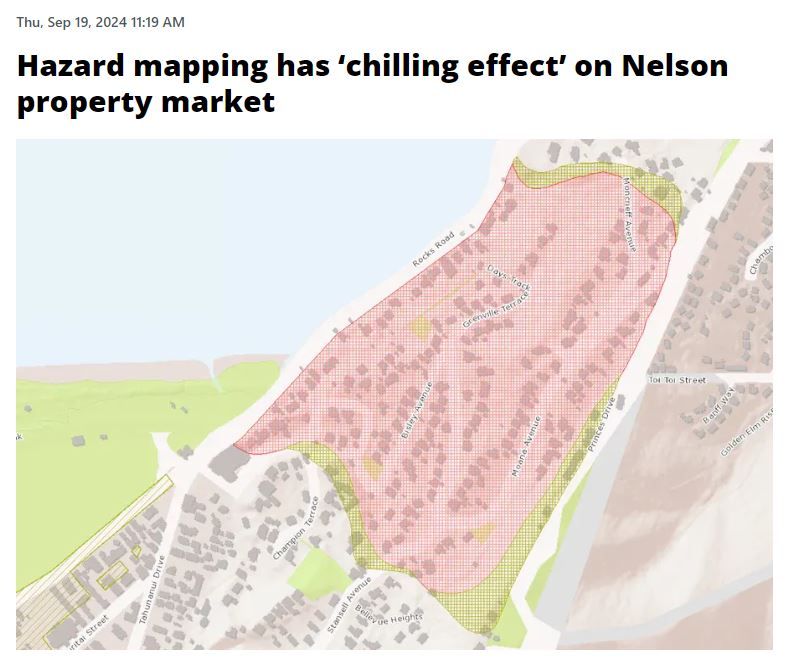
The perils of blanket hazard zone mapping – real time consequences
Click on the image below for article
Katharine Moody, planning consultant and former Massey University lecturer, speaks with Jaspreet and Don about coastal hazard/sea level rise models and their misuse by councils and the RMA 1991 – what was good and bad and what her remedy is.

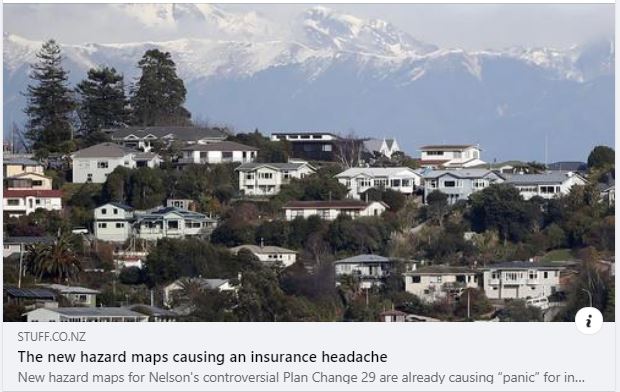
The new hazard maps causing an insurance headache – August, 2024
THIS IS THE REALITY
This is what we have been fighting against.
This is an example of the real-time consequences that we have been talking about.
“New hazard maps for Nelson’s controversial Plan Change 29 are already causing “panic” for insurers and house buyers, experts warn.
The maps put hazard overlays for slope instability, flooding, liquefaction and fault-lines over large swathes of the city, and some insurers are now using the maps to deny cover.”
//“The housing market has been ‘put off’ by the overlays and so too have the banks and insurance industry. This has resulted in Sale and Purchase Agreements being lost, and applications for mortgages and insurance being declined,” Landmark Lile director Mark Lile wrote in planning evidence for Bayview Nelson Ltd, GP Investments Ltd, Nelson North Ltd, Suffolk Heights Ltd and 588 Ltd.
Insurance broker Chris Collins, director of Nelson Marlborough Insurance Brokers said the maps were being taken as “gospel” by the insurance industry.
“Most insurers are definitely taking the mapping into account when providing a renewal or a new business quote.” “//
For the full article – click on the image below
Discussion with Kate Mason, Australia, July 2024
A great long form discussion with Kate Mason who has her finger on the pulse on a wide range of issues in Australia and internationally. This discussion with Tanya and Carrie delves a little deeper – a must watch.
Inquiry into Climate Adaptation – SUBMISSIONS UPDATE July 2024
Submissions to the Inquiry into Climate Adaptation are now available on the Parliament website (click here)
A huge thank you to all who submitted, whether through our template or individually.
Total submissions received from this round of submissions (ie not including the previous ~150) was 1,119
Of those, 762 were ‘form template’ style submissions (identical except for the name and address at the top). FEC has received all of them, but decided to only publish one example of this template on the Parliament website – it is listed under “Aaron Dixon and 761 similar submissions”.
Of the remaining 357 submissions that were not form submissions, 267 were from individuals and 90 were from NGOs/industry groups/ community groups etc
Follow-up interview with our Spokeswomen after the Council meeting
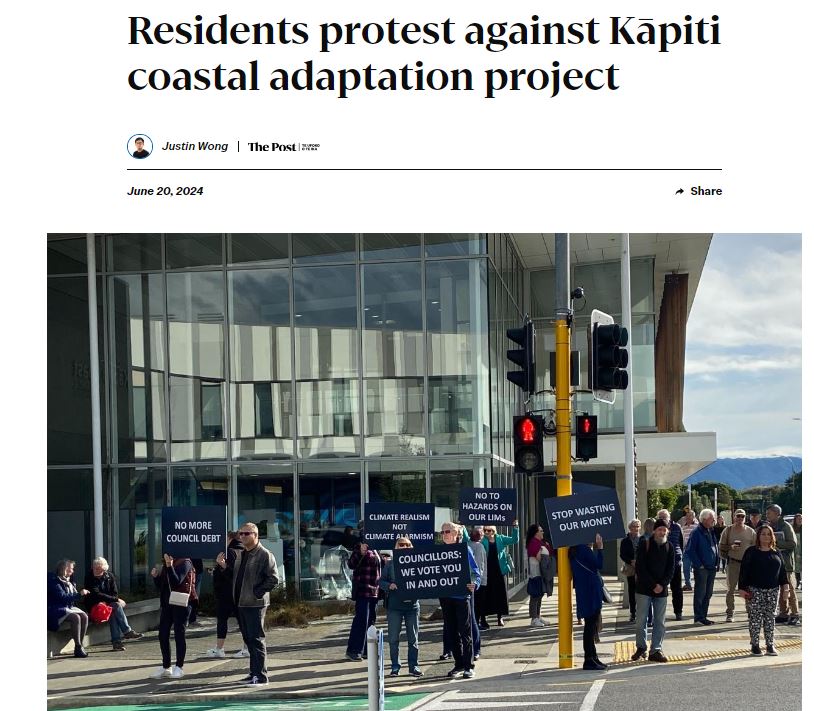
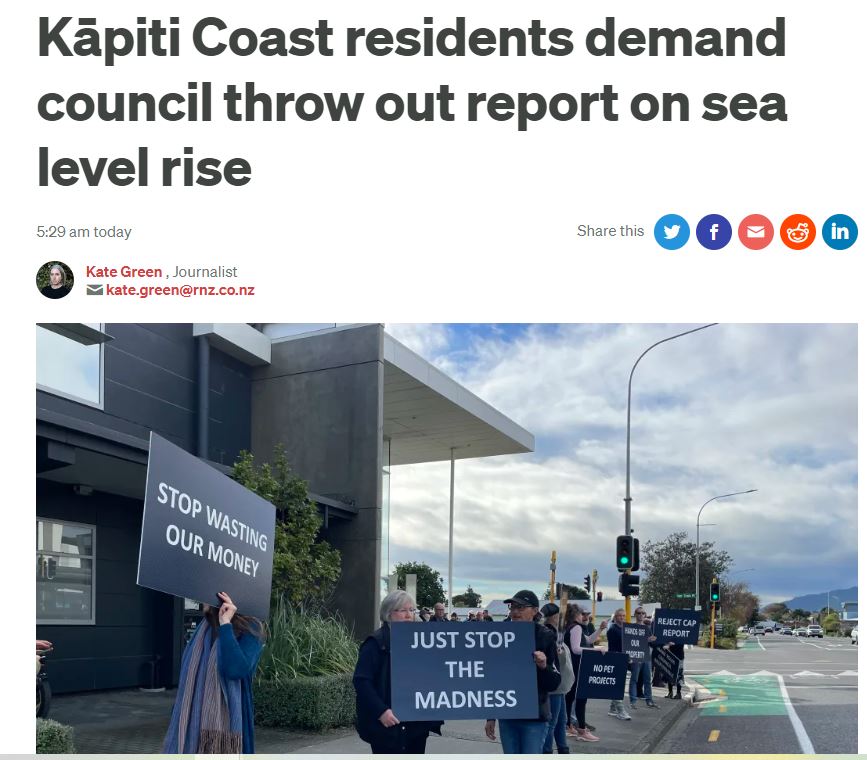
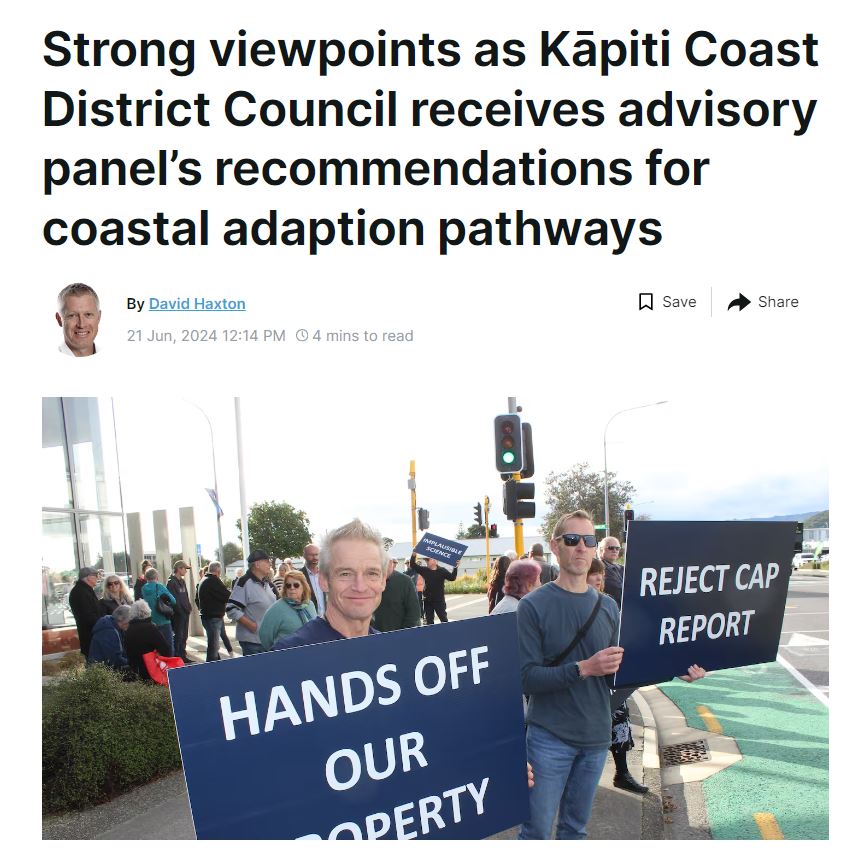
We went to Council yesterday (20th June) to voice our concerns on the Coastal Adaptation Panel’s report/recommendations – here’s a few articles
MORE “MUST LISTEN” INTERVIEWS RELATING TO THE ADAPTATION INQUIRY

TEMPLATE FOR INQUIRY INTO CLIMATE ADAPTATION SUBMISSIONS
A massive THANK YOU to everyone to made a submission – we have received alot of great feedback and will provide an update and a link to submissions when they are up on the Parliamentary website.

We are providing this template based on our own submission – it can be personalised with your details and additional points you wish to make. It is important to submit your views by the deadline June 16th 2024 to ensure your voice is heard in this important matter.
(Note: if you are unable to download the template above the full wording can be found at the end of this post – please scroll down)
Please consider making a submission and urgently inform as many people ASAP. https://www.parliament.nz/en/pb/sc/make-a-submission/document/54SCFIN_SCF_F4A021AF-6284-4959-1470-08DC7066FF1A/inquiry-into-climate-adaptation
For your reference we have also attached the MfE Summary of Submission and the the Expert Working Group Report which forms the basis of this framework which we have submitted on.
URGENT!!
Submissions close 16th June for the Environment Committee Inquiry into Climate Adaptation
C.A.L.M (Calm Alarmist Law Madness), a resident advocacy group, want to bring to your attention their submission on the Parliamentary Inquiry on Climate Adaptation as attached.
Our submission addresses the proposed subversion of democracy and removal of private property rights based on extreme and implausible climate change modelling.
The submission highlights the following key points:
- Subversion of Democracy & Removal of Private Property Rights:
- The Expert Working Group (EWG) report proposes a co-governance model that would essentially remove private property rights in areas designated for managed retreat/planned relocation and coastal adaptation areas.
- The proposed model excludes people with Māori ancestry from being affected by most of the adaptation or retreat measures.
- The report suggests the establishment of a separate crown entity to make final decisions on managed retreat, with no recourse for homeowners.
- Climate Change Alarmism Vs Climate Change Realism:
- The report is based on alarmist climate modelling rather than climate realism.
- The underpinning science is criticized for lacking balance and relying on beliefs rather than sound climate science.
- The report assumes extreme outcomes without considering alternative views from independent, climate scientists or experts.
The submission also includes a case study of the Kapiti Coast, where the implementation of adaptation plans has resulted in significant costs with questionable outcomes.
In conclusion, C.A.L.M rejects the Expert Working Group Report and MfE Summary of Submissions, citing concerns about the subversion of democracy, the removal of private property rights, the lack of consultation with property owners, and the reliance on flawed climate modelling. We propose local government initiatives for local problems, focusing on investing in and maintaining key infrastructure and mitigation measures based on real climate data and events as needed. This submission raises important points that should be considered for climate adaptation. I encourage you to review the full submission for a comprehensive understanding of C.A.L.M.’s concerns.
Template for submission below
RE: SUBMISSION ON THE INQUIRY INTO CLIMATE ADAPTATION
On the 9th of May 2024 Parliament passed a motion that the Parliamentary Finance and Expenditure Committee conduct an Inquiry for Climate Adaptation calling for a second round of submissions closing 16th June 2024
Introduction
My name is [Your Name], and I am a concerned citizen/resident of [Your City/Town]. This is my submission to the Parliamentary Finance and Expenditure Committee on the Inquiry into Climate Adaptation. I am writing to express my opposition to the findings of the Expert Working Group (EWG) Report on managed retreat, and the proposed creation of a Climate Adaptation Act and separate Crown Entity. My submission focuses on the subversion of democracy, the removal of private property rights, and the flawed scientific basis of the EWG Report. It also comments on the Summary of Submission on the EWG Report by MfE in May 2023.
1. Subversion of Democracy & Removal of Private Property Rights
1.1 Private Property Rights Removed
The EWG report proposes a co-governance model where private property rights in areas designated for managed retreat are essentially removed. This approach is undemocratic and undermines individual property rights without providing any recourse for affected homeowners.
1.2 Establishment of a Separate Crown Entity
The proposed establishment of a Crown entity to make final decisions on managed retreat removes local councils from accountability and exempts them from future liability or prosecution by affected individuals. This centralization of power is concerning and lacks transparency.
1.3 Lack of Recourse for Homeowners
Homeowners have no avenue to object to managed retreat decisions. This lack of recourse is undemocratic and unfair, particularly when Māori/Iwi appear exempt from many proposed actions, creating a divisive legal framework.
1.4 Extraordinary Powers to Central Government
The central government will have extraordinary powers to override long-standing private property rights. The EWG Report identifies these proposed new powers extensively, which will harm democracy and the social fabric of New Zealand society.
1.5 Shift to a Wellbeing Approach
The report proposes shifting from a risk-based approach to life and property to a well-being approach. This is subjective, open to interpretation, and potential extreme applications in the future. Priority should always be given to risk to life and property.
1.6 Pre-emptive Adaptation Based on Climate Models
The move from post-event adaptation to pre-emptive adaptation is based on speculative climate models rather than actual risk. This approach could lead to unnecessary economic, social, and emotional stress on property owners.
1.7 Costly Pre-emptive Responses
Pre-emptive responses to speculative risks are more costly and often have unfavourable cost-benefit ratios. The projected costs for implementing such measures are unrealistic and unsustainable.
2. Climate Change Alarmism vs. Climate Change Realism
2.1 Alarmist Climate Modelling
The EWG report relies on alarmist climate models, specifically the high emissions scenarios (SSP5-8.5), which are extreme and unlikely. More realistic scenarios, such as SSP4.5, should be considered to reflect probable outcomes.
2.2 Sea Level Rise Projections
Sea level rise projections are driven by extreme assumptions that are unlikely. The risk calculations presented are misleading and create unnecessary alarm.
2.3 Historical Climate Data
Historical data does not support the claim that severe weather events are increasing in frequency or intensity. Accurate historical perspectives should be considered in climate adaptation strategies.
2.4 Lack of Alternative Expert Opinions
The report lacks input from independent climate scientists who could provide a balanced view. Science is never settled and should constantly test hypotheses.
2.5 No Evidence of Increased Natural Disasters
There is no statistical evidence that global warming is intensifying natural disasters. Policy should be based on scientific and economic realities, not on alarmist predictions.
3. Comments on the Summary of Submissions by MfE
It appears that the EWG Report(August 2023) and the MfE Summary of Submissions (a previous submission process May 2023) along with this second round of submissions (June 2024) will be used to form the framework of a Climate Adaptation Plan and Legislation. We comment below on MfE Summary of Submissions May 2023
3.1 Lack of Representation of Affected Property Owners
Few submissions were from individual property owners, who are the most affected by managed retreat policies. Proper consultation with property owners is necessary for a democratic process. Few New Zealanders know about or understand the significance of what is at stake in this proposed process.
3.2 Biased Submission Process
The submission process appears biased, with a disproportionate number of submissions from bureaucratic entities. A more inclusive and representative consultation is needed.
3.3 Perverse Outcomes Include Preservation of Wealth
Alarmingly several submitters noted funding mechanisms for managed retreat must incentivise the right action (i.e. risk reduction) and not create perverse incentives. “Perverse outcomes could include preservation of wealth, protection of ownership rights…”
Conclusion
The proposed Climate Adaptation Act and the findings of the EWG report undermine democracy, remove private property rights, and are based on alarmist climate modelling. I urge the Parliamentary Finance and Expenditure Committee to REJECT the EWG Report and its recommendations. Local governments should take the lead in addressing climate adaptation based on real data and events, focusing on risk to life and property, and using common sense solutions that are economically viable.
Thank you for considering my submission.
[Your Signature]
Latest interview with Salima from Coastal Ratepayers United, June 2024
Our spokeswomen Tanya and Carrie were back on the air, 27 May 2024

CRU Chair Salima Padamsey interview, 20 May 2024 – features discussion around our Community Meeting on 14th May

Interview May 2024 – check out our spokeswomen
!! URGENT COMMUNITY MEETING – TAKE 2 !!
LAST CHANCE TO STOP THIS MADNESS BEFORE COUNCIL MEET IN JUNE TO VOTE ON CAP RECOMMENDATIONS
The date is set for our next Community Meeting – Tuesday 14th May, 7pm at Southwards. The speakers/presenters are just being finalised and the flyers are at the printers which will be ready for delivery this week!!!!
This time we have a much bigger venue as our previous meeting went to capacity and was standing room only.
We have a great lineup of speakers/presentations and updated information so please come along, bring friends/family/neighbours, spread the word (flyers are attached to pass on via email or social media) – your support is crucial.
Costs getting clearer, The Post Article, April 2024

Interview, 8th April 2024


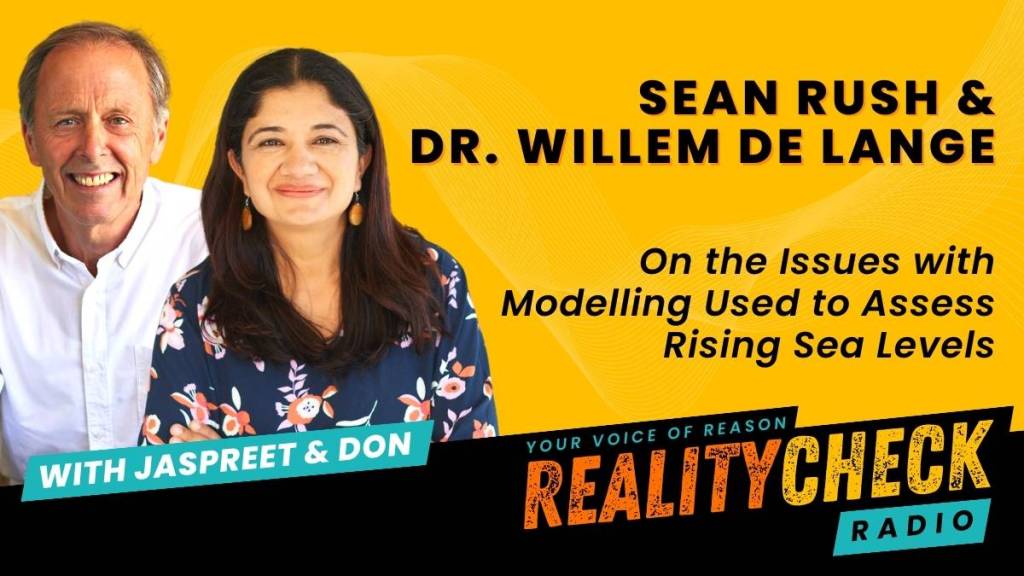
LATEST INTERVIEW – our spokesperson Tanya was asked during this interview – where to from here? well, we are keeping CALM and carrying on – we are gathering momentum, supporters and creating awareness.
Check out the interview including Sean Rush who gives some really important science and data based information and insights
https://realitycheck.radio/tanya-lees-and-sean-rush-spokesperson-for-calm-former-wellington-councillor-climate-scholar-ipcc-expert-on-kapitis-progress-in-the-fight-against-coastal-adaptation-plans/?
Is Wellington Sinking?
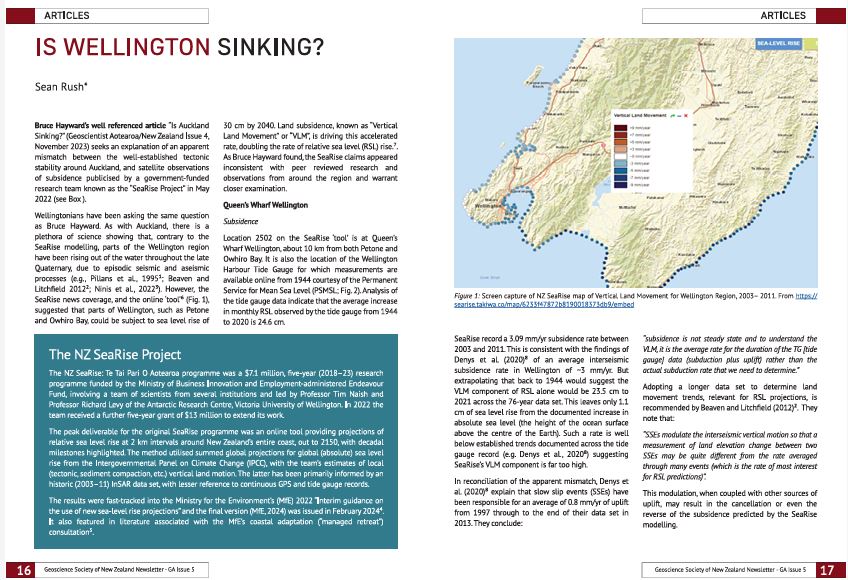
Article by Sean Rush, March 2024
(click on the image above for the full article link)
In summary recent claims of Wellington (and Auckland) ‘sinking’ and Petone about to be inundated are misleading.
The underlying study was rejected from the peer review. It’s short data set showing subsidence around coastal NZ is not representative of longer term trends that show uplift.
The sea level estimates showed a 550% higher trend than was actually observed.
A more accurate approach would be to model the average rise in sea level forward.
Unfortunately coastal councils are ploughing ahead using the rejected study resulting in unnecessary constraints in coastal development and, for Kapiti Coast residents, the installation of hazard notices on LIMs reports without telling the homeowners.
Pretty thrilled to have had this published with support of some of NZ’s leading scientists in this space.
RCP 8.5 – a topic that just won’t go away
29th March 2024 Article by K. Moody (click on image below to read)

What more can we say !
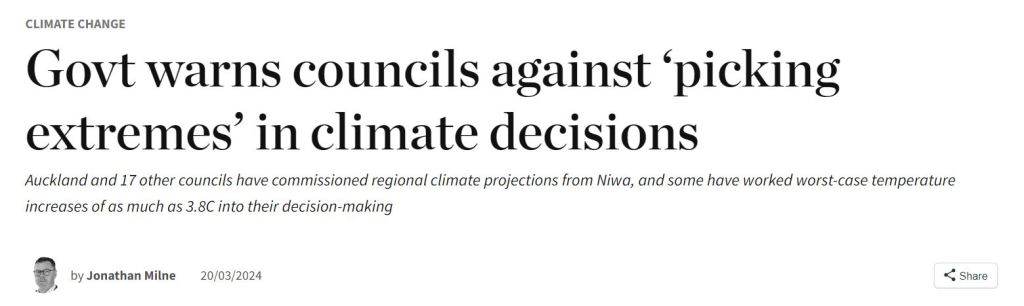
RCP 8.5 – what’s all the fuss?
This article by Barry Brill gives a comprehensive insight into why we are so focussed on stopping the use of extreme modelling.
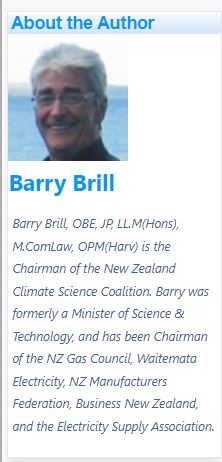
NEXT COMMUNITY MEETING – Tuesday 19th March, Paraparaumu
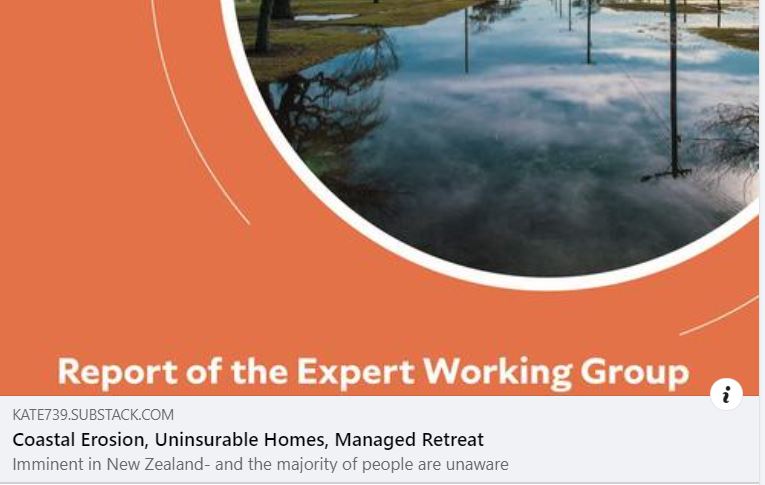
Coastal Erosion, Uninsurable Homes, Managed Retreat – Kate Mason, Feb 2024
NZ gathers more interest from the other side of the ditch – some interesting revelations in this piece by Kate Mason
1 in 25 Australian Homes Uninsurable by 2030, Kate Mason, Jan 2024
A must listen interview with Kate Mason from Australia – the short video in the link talks specifically about how insurance is being affected by extreme modelling – CRU and CALM also get a mention.
This isn’t just a council issue or limited to Kapiti or nationally – its global.
At the end of Kate’s substack she gives some good advice about what you can do 

Katharine Moody Article, August 2022

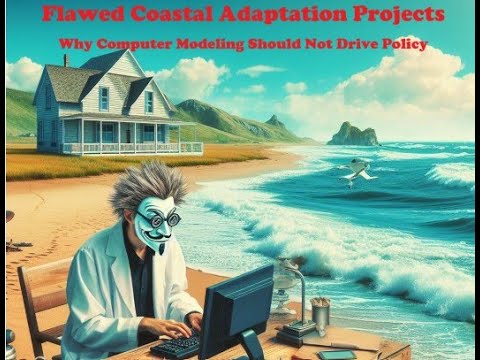
Flawed Coastal Adaptation Projects – Why Modelling Should Not Drive Policy, Jan 2024
RCR, 18 December 2023

Insurance article, Nov 2023
RCR, 20 Nov 2023

RCR, 13 November 2023
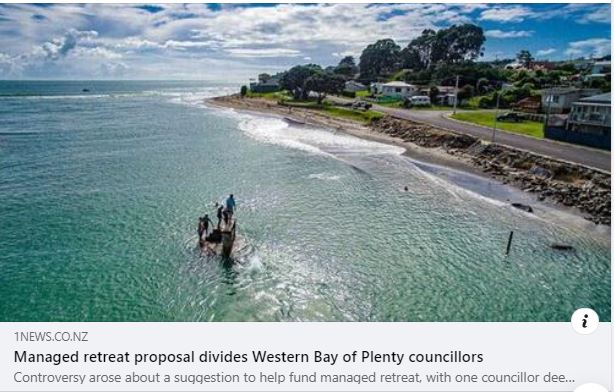
1 News article, 12 Nov 2023
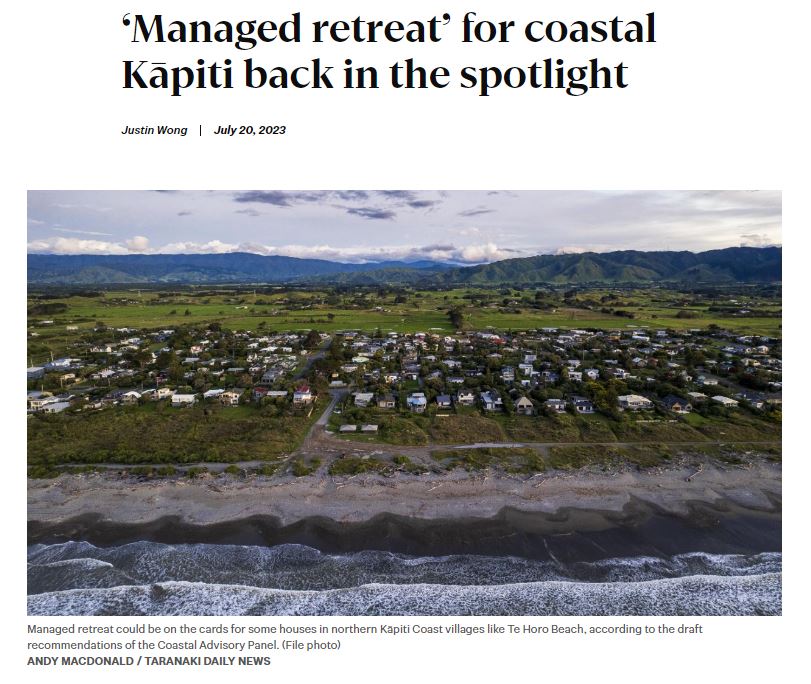
The Post, 20 July 2023
 KAPITI C.A.L.M.